Bulk buyers in cosmetics, personal care, food and wellness have spent the last few years tightening what they accept from suppliers. Price and purity still matter, but they are now just the entry ticket. The question that increasingly decides who gets the order is simpler: can you prove where this batch came from?
This article explains why traceability has moved to the top of buyers' checklists, what clean-label and natural claims need behind them, and what records you should expect from an essential oil supplier.
Why traceability now matters so much
Clean-label claims need evidence
Brands want short, recognisable ingredient lists and claims such as "natural", "natural origin" or "organic". Each claim needs proof behind it:
- Cosmetics. Natural-origin percentages are commonly calculated with ISO 16128, and natural and organic cosmetics are often certified to standards such as COSMOS. Both depend on knowing exactly what each raw material is and where it came from.
- Food and beverages. In the EU, a flavour labelled as "natural [source] flavouring", for example natural peppermint flavouring, must come at least 95% from the named source. A supplier has to be able to show that.
- Organic. Organic status depends on an unbroken chain of custody from certified farm to finished product. One undocumented step can put the claim at risk.
Adulteration is a real risk
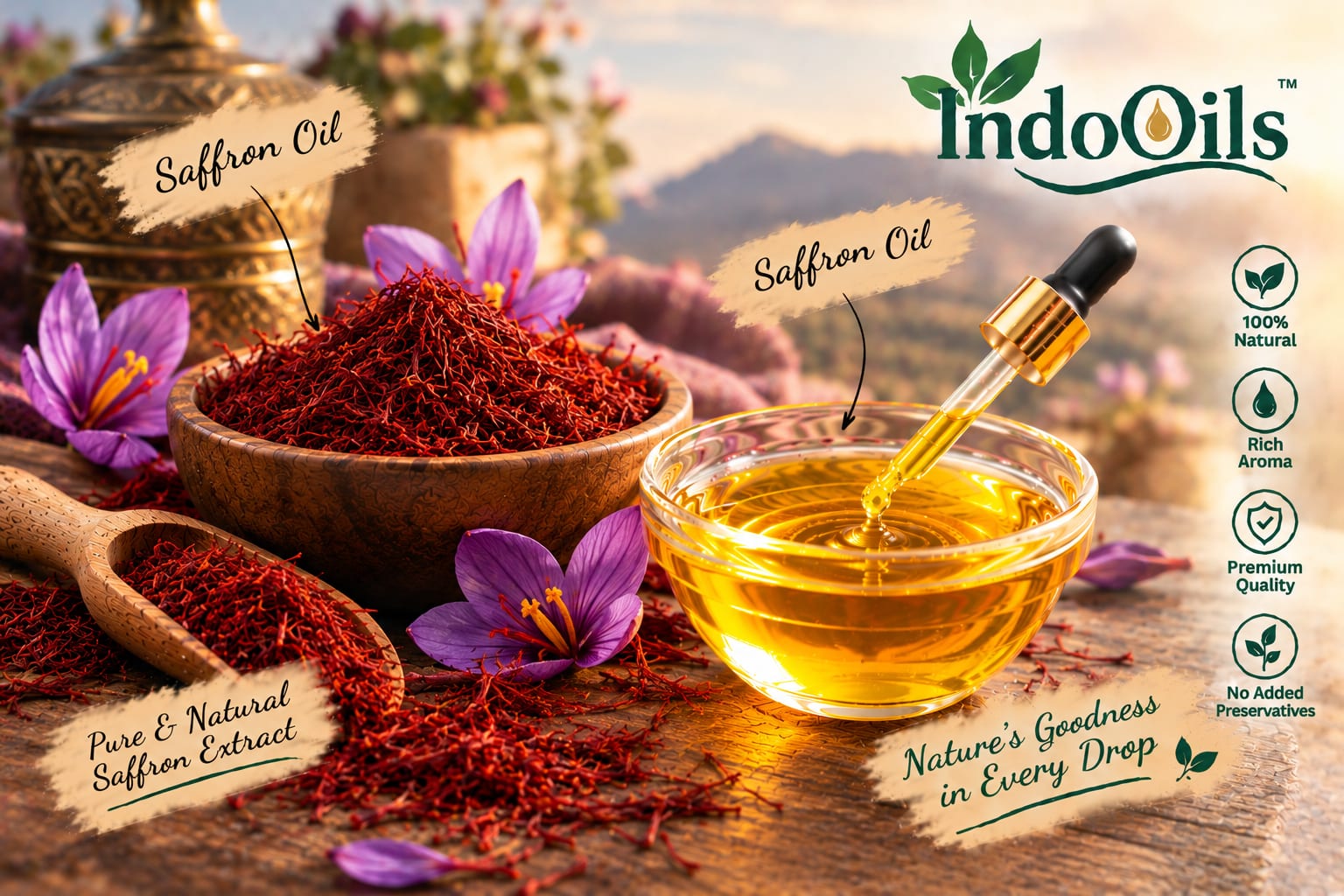
High-value oils such as sandalwood, rose, saffron and agarwood are often diluted or blended with cheaper material. A batch that can be traced to a harvest region, an extraction date and a test report is much harder to fake than one with only a country of origin on its paperwork.
Audits reach further back
Pharmaceutical, food and large cosmetic companies are audited on their supply chains, and their auditors increasingly ask about raw materials, not only finished goods. If a supplier cannot produce records quickly, the buyer has a problem during their own audit.
Recalls are cheaper when they are small
If a quality question arises, traceability is the difference between isolating one batch and quarantining everything you hold from that supplier.
Traceability is now a shortlisting test
Many buyers now check traceability before they discuss price. A supplier who cannot answer a simple traceability question quickly is usually removed in the first round, however good their price is.
What buyers mean by traceability has also become more specific. A country of origin on a certificate of analysis is no longer enough. They want batch-level traceback: from the batch number on the drum to the growing region, the harvest window and the processing records.
What good traceability records look like
For each batch, a supplier should be able to link the batch number on your container to:
- the growing or collection region;
- the harvest window;
- the intake lot number of the raw plant material;
- the extraction date and method;
- the quality control results, including the certificate of analysis and, where relevant, GC-MS;
- the packing date.
For organic products, look for these too:
- certified organic material kept separate from conventional material at intake, during extraction and at packing;
- separate documentation for organic lots;
- an organic certificate for your consignment that refers to the specific lots you received.
What this means for your procurement team
- Ask traceability questions at the start. Ask for an example batch record before a sample order, not after. How quickly and clearly a supplier answers tells you a lot.
- Use certifications as a filter. Check quality and food-safety certifications, and organic certification where you need it, when building the shortlist, not when choosing between the last two.
- Match batch numbers. Make sure the batch number on every document, whether certificate of analysis, safety data sheet or allergen declaration, matches the batch number on the drum.
- Consider smaller, more frequent orders. Orders tied to verified harvest lots keep the traceability chain short and easy to audit.
- Keep retained samples. A small sample of each batch you receive makes any later question much easier to settle.
The trade-off buyers are accepting
Tighter traceability usually means fewer eligible suppliers for each product and a slightly higher landed cost. More and more buyers treat that as insurance rather than cost. A traceable supply chain lowers the risk of a failed audit, a withdrawn claim, a reformulation or a recall, and any one of those costs far more than the premium.
How we handle traceability
Every batch we ship carries a batch number that leads back to its growing or collection region, harvest window, intake lot, extraction date and method, quality control results and packing date. Certified organic material is kept separate from conventional material from intake to packing, with its own documentation. You can read the details on our traceability page, and see our quality systems on the quality assurance and certifications pages.
Batch records are available to customers on request. Send us the batch number from your container and we will share the records.
Start with a traceable sample
We supply essential oils, carrier oils and oleoresins in 20 kg and 50 kg packs, with a minimum order of one pack. Every lot ships with a certificate of analysis and a safety data sheet. Many of our documents are on the downloads page.
To ask for a sample with its batch records, tell us:
Product + intended claim (natural, organic or other) + quantity + destination market
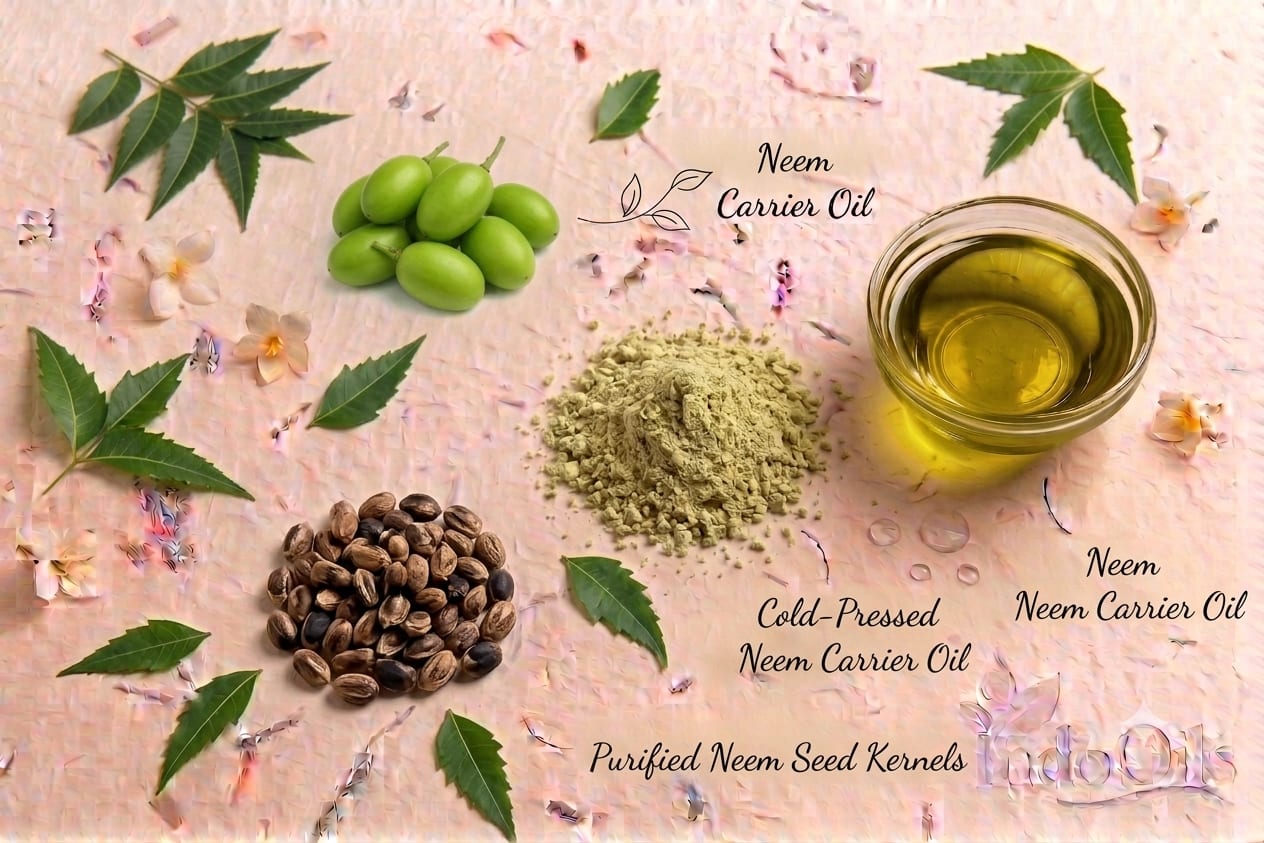
Request a sample or send a bulk inquiry. Browse our organic essential oils, such as Davana Oil, and organic carrier oils, such as Neem. For related reading, see our guides on climate volatility and essential oil prices and fragrance allergen labeling.
Buying in bulk?
20 kg and 50 kg packs, with a certificate of analysis for every lot.
Tell us the product, quantity and destination, and we will come back with a quotation.